Ms. Coll. 1003, Box 1, Folder 1 John Bartram Association records relating to its foundation and early organization, 1779-1937, Box 1, Folder 1
Title
John Bartram Association records relating to its foundation and early organization, 1779-1937, Box 1, Folder 1Authors
- John Bartram Association
Call number
Ms. Coll. 1003, Box 1, Folder 1(Philadelphia, University of Pennsylvania Libraries)
Publisher
University of Pennsylvania LibrariesLanguage
Primary language: English.Origin
- Date
- unknown; 1779
- Place
-
United States
Summary
The John Bartram Association (JBA) was founded in 1893 for the purpose of protecting and enhancing the home and garden of John Bartram, known as "Bartram's Garden." To this day, the JBA continues to speak to audiences of all ages on the discovery of the natural world, just as John Bartram did in his lifetime. "Bartram's Garden" was maintained by Bartram's descendants and natural enthusiasts, beginning with his daughter, Ann Bartram Carr and her husband Colonel Robert Carr, after his death in 1777 to the formation of the JBA in 1893. By the time the JBA was formed, it was evident that the grounds were in need of care that reached beyond the abilities of those in charge. The JBA made appeals to Philadelphia that "Bartram's Garden" be incorporated into the allied park system, eventually convincing the Fairmount Park Commissioners to take charge of the property. In addition to the resuscitation of "Bartram's Garden," the JBA's early efforts secured a safe home and custodian in the University of Pennsylvania for what is known as "The Bartram Memorial Library," the authority collection of volumes representative of early American botanical literature. John Bartram (1699-1777) was born a third-generation Quaker in Darby, Pennsylvania, who followed his father's footsteps by becoming a farmer. However, his curiosities of nature led him beyond farming, into botany, horticulture, and exploration. This hobby later earned fame in the scientific world for his discoveries and generosity in sharing knowledge of his little-known subjects. Carolus Linnaeus (1707-1778), a Swedish botanist and originator of the system of taxonomic classification, regarded Bartram as the "greatest natural botanist in this world," an achievement yet unheard of in his lifetime for an American-born colonist in the eyes of Europe's finest scientists. In 1928, Bartram purchased a 102-acre plot of land, now known as "Bartram's Garden," formerly inhabited by Native Americans as early as 3000 BCE, from Swedish settlers in order to examine its ecology. This plot was the source of much inspiration for Bartram, in addition to his discoveries from New England to Florida, until the end of his life in 1777.
Subjects names
- Bartram, John, 1699-1777
Subjects topical
- Genealogy & local history
- Bartram family
- Historic Bartram's Garden (Organization)
Genres
- Manuscripts, American
Licenses
-
- Text
- These images and the content of University of Pennsylvania Libraries Ms. Coll. 1003, Box 1, Folder 1: John Bartram Association records relating to its foundation and early organization, 1779-1937, Box 1, Folder 1 are free of known copyright restrictions and in the public domain. See the Creative Commons Public Domain Mark page for usage details, http://creativecommons.org/publicdomain/mark/1.0/.
- URL
- http://creativecommons.org/publicdomain/mark/1.0/
-
- Text
- Metadata is ©2024 Kislak Center for Special Collections, Rare Books and Manuscripts and licensed under a Creative Commons Attribution License version 4.0 (CC-BY-4.0 https://creativecommons.org/licenses/by/4.0/legalcode. For a description of the terms of use see the Creative Commons Deed https://creativecommons.org/licenses/by/4.0/.
- URL
- https://creativecommons.org/licenses/by/4.0/legalcode
Table of contents
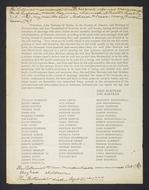
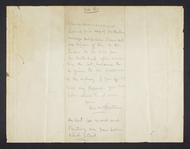
- fol. Item 1, 1r — Ann and John Bartram marriage certificate (copy)
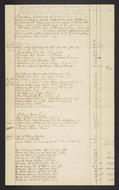
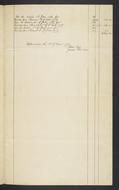
- fol. Item 2, 1r — Inventory of John Bartram's possessions drafted by James Bartram, 1779
Images
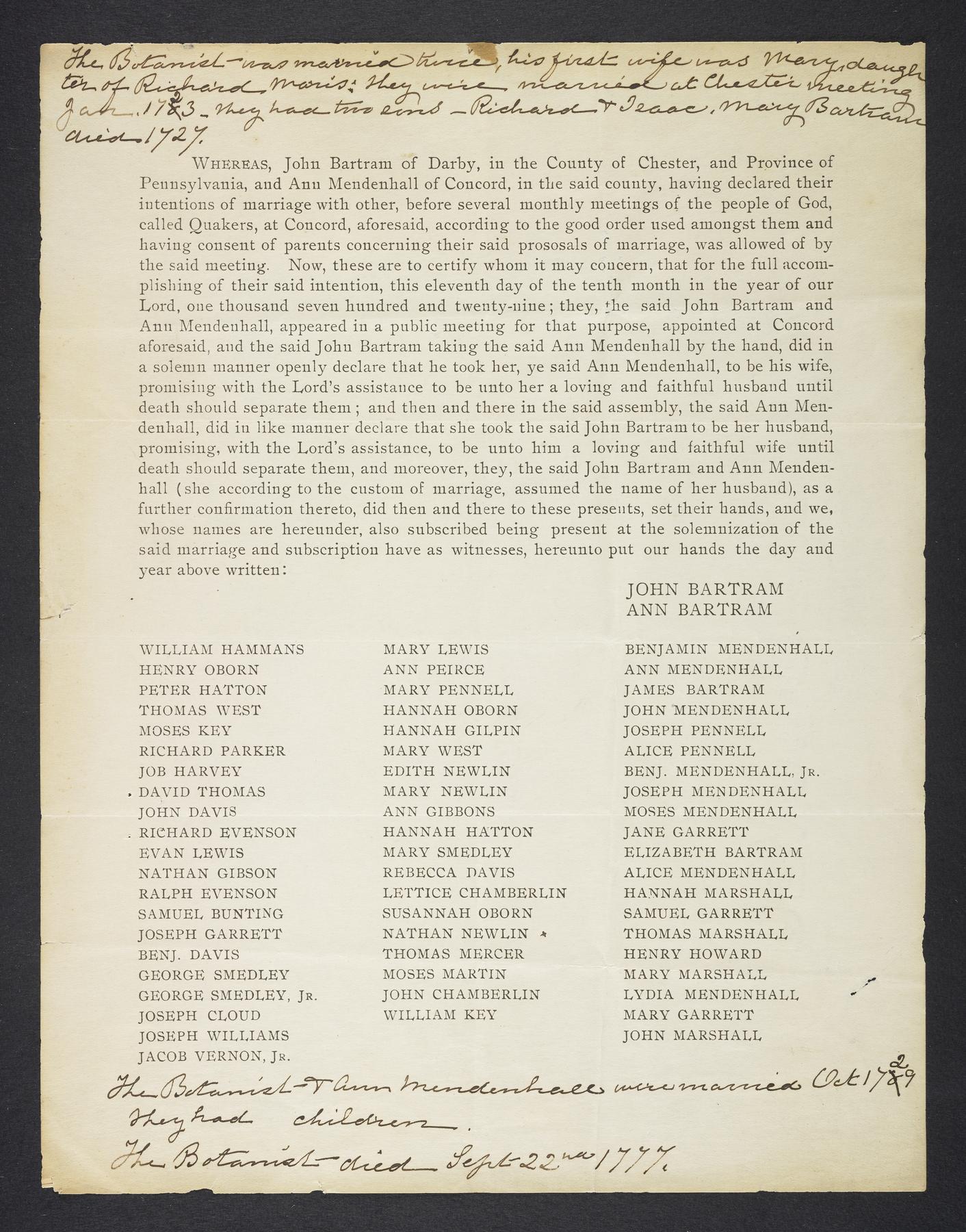 fol. Item 1, 1r
13978_0000.tif (114.3 MB)
13978_0000_thumb.jpg (5.7 KB)
13978_0000_web.jpg (402.4 KB)
Section: Ann and John Bartram marriage certificate (copy)
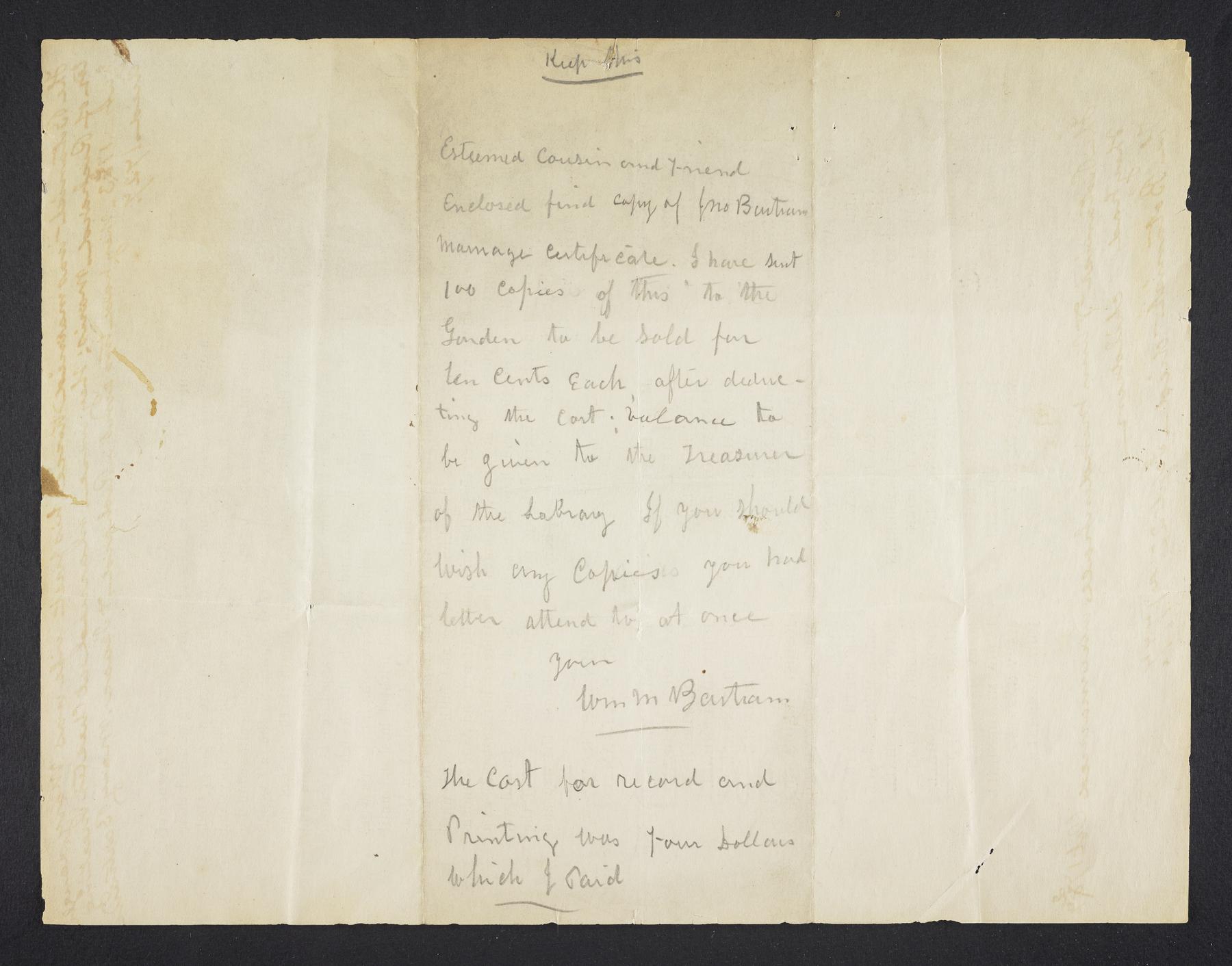 fol. Item 1, 1v
13978_0001.tif (68.0 MB)
13978_0001_thumb.jpg (3.7 KB)
13978_0001_web.jpg (191.9 KB)
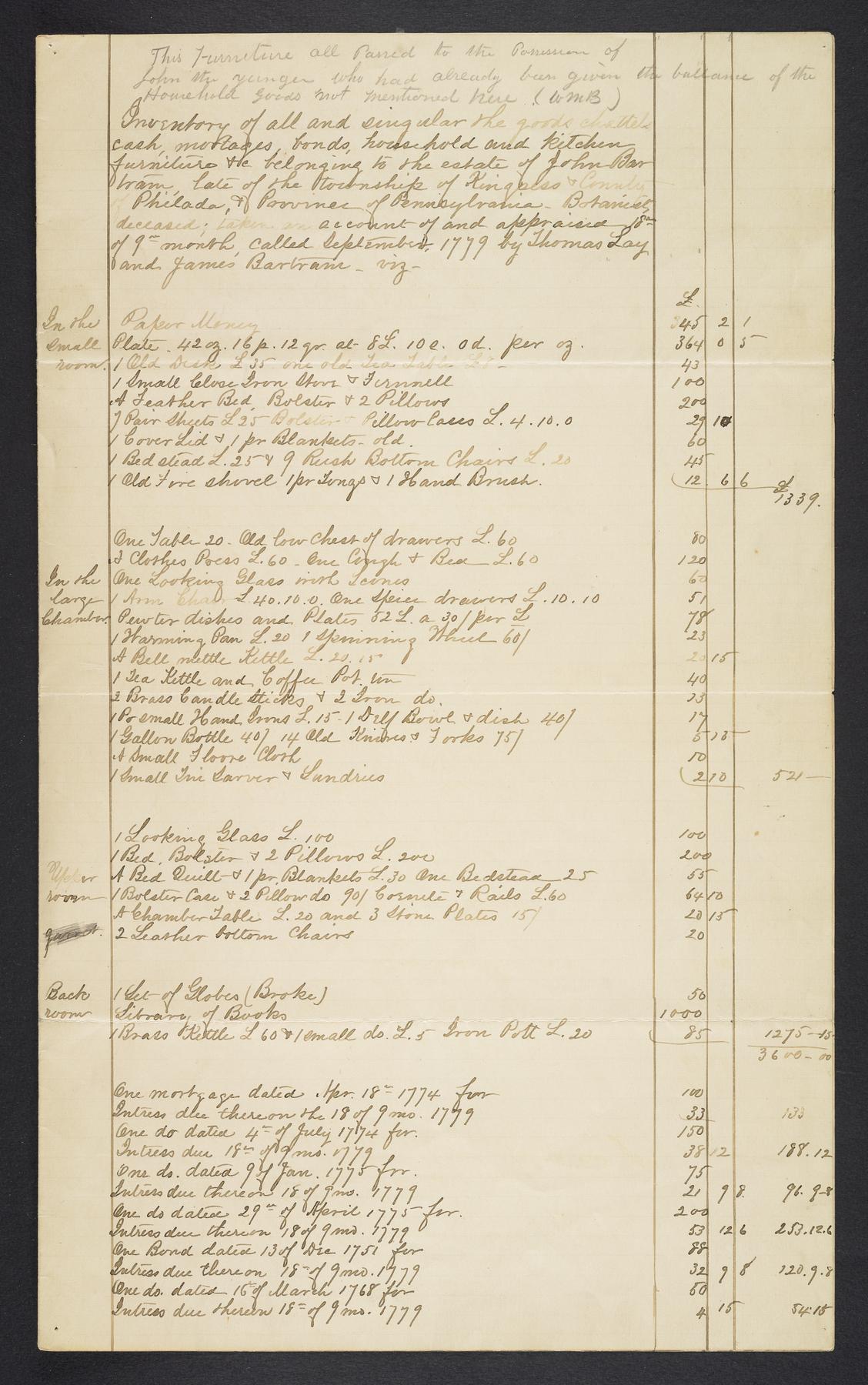 fol. Item 2, 1r
13978_0002.tif (143.0 MB)
13978_0002_thumb.jpg (4.6 KB)
13978_0002_web.jpg (250.6 KB)
Section: Inventory of John Bartram's possessions drafted by James Bartram, 1779
 fol. Item 2, 1v
13978_0003.tif (143.0 MB)
13978_0003_thumb.jpg (2.4 KB)
13978_0003_web.jpg (108.5 KB)
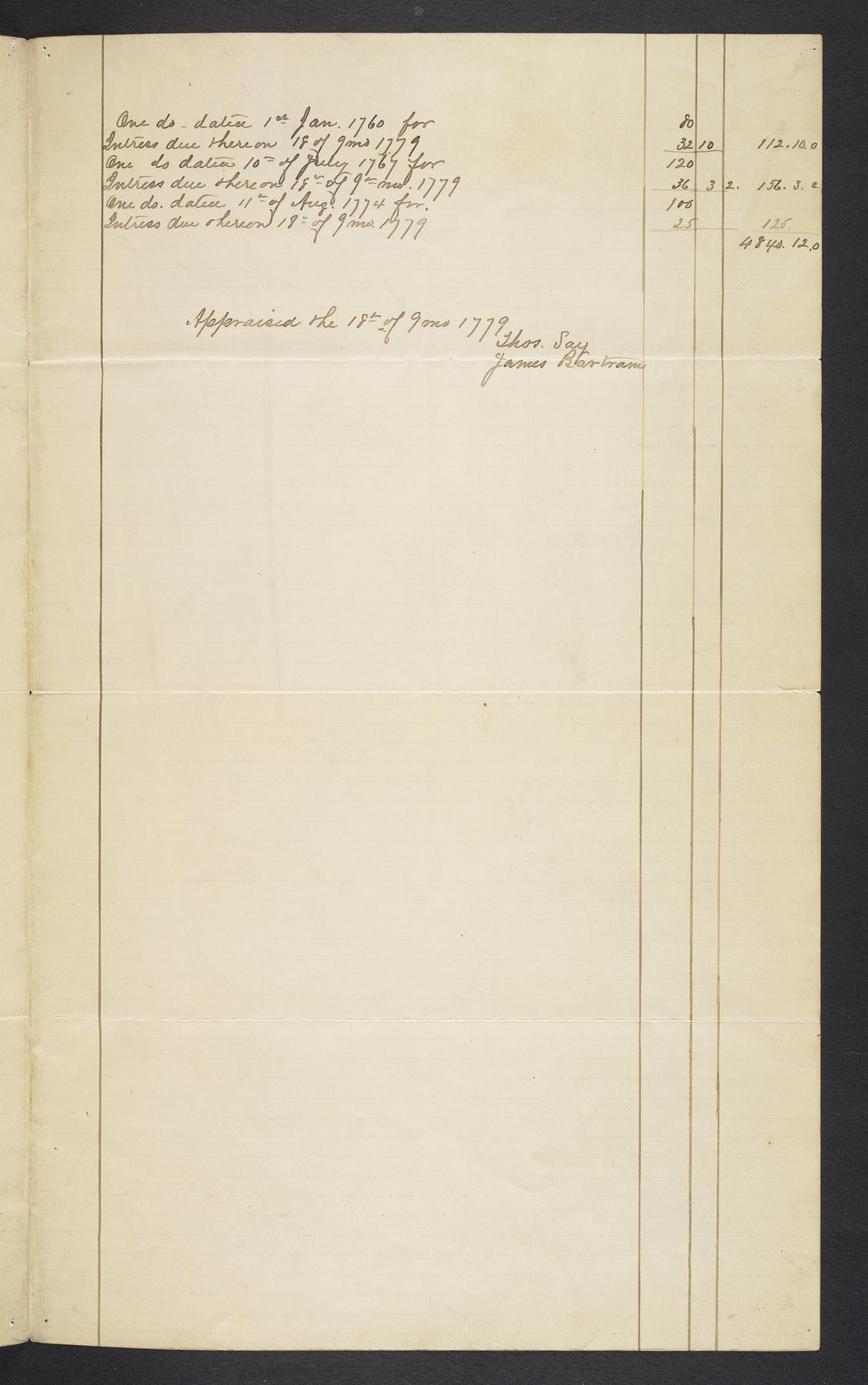 fol. Item 2, 2r
13978_0004.tif (143.0 MB)
13978_0004_thumb.jpg (2.9 KB)
13978_0004_web.jpg (135.0 KB)
 fol. Item 2, 2v
13978_0005.tif (143.0 MB)
13978_0005_thumb.jpg (2.7 KB)
13978_0005_web.jpg (102.5 KB)
 None
Nonemscoll1003_b1_f1_body0000ref.tif (90.0 MB)
mscoll1003_b1_f1_body0000ref_thumb.jpg (7.0 KB)
mscoll1003_b1_f1_body0000ref_web.jpg (290.5 KB)
 Hosted by the University of Pennsylvania Libraries